

Le Ver de Roscoff
working title - 2026 - scenario development for fiction feature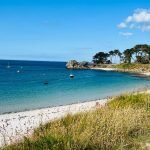




Pitch
In ‘Le ver de Roscoff’, we follow marine biologist Rosaline from the beaches of Brittany, via her sister’s wedding in Flemish Limburg, to a small mountain village in the Spanish Basque Pyrenees.
A Belgian feminist road movie in which two sisters try to come to terms with their mother’s disappearance, so that they can allow their own adult lives to blossom.
It is a film about the beauty, power and necessity of stories, but also about the courage needed to distinguish true stories from the lies we sometimes tell ourselves to avoid confrontation.
Synopsis
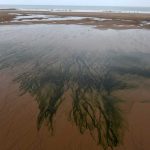
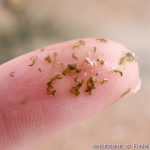
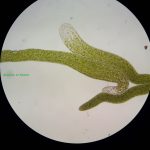
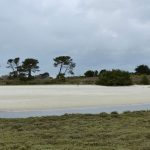
In the fog of the Breton coast, marine biologist Rosaline studies bioluminescent worms —organisms that produce their most beautiful light in the deepest darkness. Her isolated lifestyle is characterized by an automated routine, an obsessive work ethic, and emotional detachment. These traits are survival mechanisms she developed when, at the age of twelve, she had to take on the responsibility of raising her younger sister Evangeline after their father, a well-known but tormented writer, disappeared into his drink and fictional stories after their mother’s sudden departure. Due to their father’s escalating misconduct, Rosaline was forced to move out of the house with Eva on her eighteenth birthday. Now, a decade later, Eva is still the only person who matters. When Eva rings up Rosaline to ask her to be her witness at her wedding, it abruptly disrupts Rosaline’s routine Breton idyll and forces her into a return trip to Flemish Limburg, a place she thought she had banished from her life forever.
Although her father is also invited to the wedding, the party and reunion with other old acquaintances is rather pleasant. However, the morning after the wedding, Evangeline receives a phone call from a Spanish notary. It turns out that their mother died a few years ago in a mountain village near San Sebastian and left them some land. A local energy company now wants to lay gas pipes through this woodland. Rosaline suddenly has to admit that years ago she received a call from a Spanish-speaking man, but she hung up immediately for fear of painful truths. Furious about this deception, Eva demands that Rosaline will accompany her to Spain.
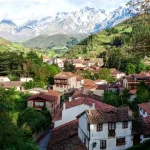
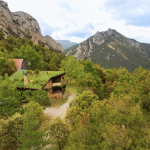
In a mountain village in the Spanish Basque Country, they meet Lucrecia, their mother’s partner. She reveals that their mother suffered from bipolar disorder and had desperately tried to contact her daughters once her condition was properly treated. However, all attempts were systematically thwarted by their father—the same man who had led his daughters to believe that their mother had abandoned them and did not love them enough. This discovery completely destroys Rosaline’s foundation. In a haze of grief and anger, Rosaline leaves her sister with Lucrecia and rushes back to Limburg to finally settle the score with her father. She steals a hunting rifle from their former neighbors and walks into his house with it, once inside she finds his lifeless body in his reading chair —dead from his alcoholism.
This confrontation with her own visceral hatred and murderous rage, as well as her grief over the fate of her loving mother, brings about a radical transformation in Rosaline. She understands that, like her father, she took refuge in her work, in a story of detachment and hyper-performativity, but that such an escape stands in the way of a life with loved ones. Inspired by the worms she studies, she realizes that beauty and connection can also arise in darkness. She returns to Brittany, but no longer as an emotional refugee; for the first time, she invites someone into her world by cooking for her attentive colleague Omar.
Project Trajectory
Script development started in 2026 with the support of the Flemish Film Fund – Scenario atelier.